
Kip Shepherd handles cases in nine Northeast Georgia communities, from Athens and Watkinsville to Lawrenceville, Winder, Suwanee, Dacula, Lilburn, Norcross and Jefferson. Wherever your case is filed, you work with the same attorney, the same preparation and the same plain answers about what happens next.
Two Offices Covering Nine Communities
The practice is built around two locations instead of a referral network: an office in Watkinsville, minutes from downtown Athens, and an office in Lawrenceville for clients in Gwinnett County and the communities along the I-85 corridor. A matter that starts in Clarke County and a matter that starts in Gwinnett County receive the same attention, the same calendar discipline and the same attorney.
Attorney Kip Shepherd has practiced Georgia law for more than 30 years and began his career as a prosecutor. He has handled these cases from both sides of the courtroom, which shapes how every file is prepared: witnesses are identified early, records are requested before the other side asks for them, and each case is worked as if it will be tried.
Find Your Community
Choose the community closest to you for local court information, directions to the office that serves it, and the practice areas most often needed there.
9
Communities served from two Northeast Georgia offices
The Courts We Appear In
Where a case is filed determines its deadlines, its judge and its pace. These are the courts the firm appears in most often and the matters typically heard in each one.
| County | Courts | Common matters |
|---|---|---|
| Clarke | Athens-Clarke County Superior, State and Magistrate Courts | Felony and misdemeanor criminal cases, DUI, divorce, family law, civil claims |
| Oconee | Oconee County Superior, State, Magistrate and Probate Courts | Divorce, family law, criminal defense, DUI, small claims |
| Gwinnett | Gwinnett County Superior and State Courts, with Magistrate and Recorder courts | Contested divorce, felony trials, DUI, personal injury |
| Barrow | Barrow County Superior, State and Magistrate Courts | Criminal defense, divorce, DUI, civil litigation |
| Walton | Walton County Superior, State and Magistrate Courts | Family law, criminal defense, personal injury |
| Jackson | Jackson County Superior, State and Magistrate Courts | Divorce, criminal defense, DUI, civil claims |
| Hall | Hall County Superior, State and Magistrate Courts | Personal injury, criminal defense, family law |
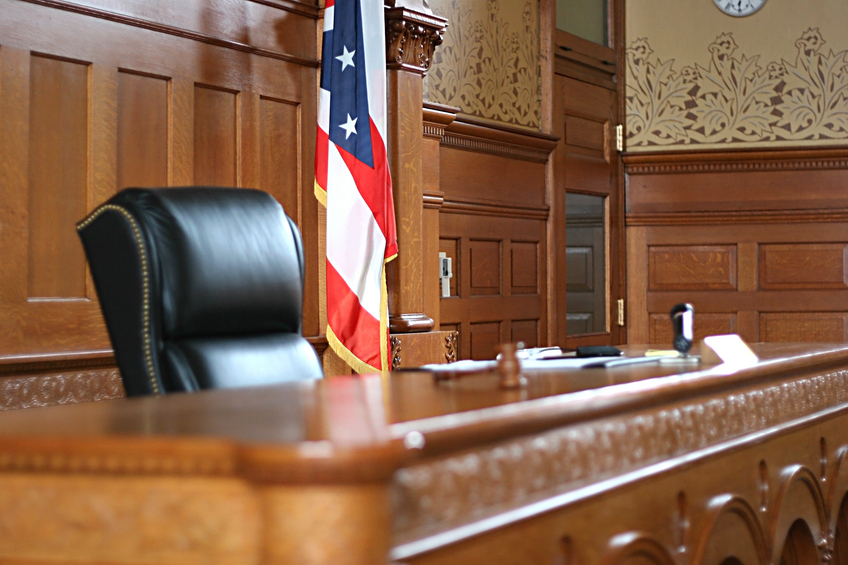
Knowing the Court Before You Walk In
Georgia divides court work by type. Felonies and divorce petitions are heard in Superior Court. Misdemeanors and most civil suits go to State Court. Warrants, small claims and dispossessory actions are handled in Magistrate Court. Juvenile Court hears dependency and delinquency matters, and Probate Court handles guardianships and estates. Which court holds your file is the first practical question in any case, because it sets your deadlines.
A few Georgia rules come up in every county. A DUI arrest opens a 30-day administrative license window that runs separately from the criminal case, and that deadline is easy to miss. Criminal charges are governed by statute, including OCGA § 40-6-391 for driving under the influence and OCGA § 40-6-270 for hit and run. Divorce and property division follow OCGA § 19-6-1 et seq., custody follows OCGA § 19-9-3, and injury claims rest on OCGA § 51-1-6. In injury trials, Georgia applies comparative negligence and the 13th juror rule under OCGA § 51-12-33.
What Does Not Change From County to County
Every county has its own courthouse, its own local rules and its own pace. The way the firm works does not change:
- You speak with the attorney handling your case, not a call center.
- Calls are returned, and you get a straight answer about the strengths and the weaknesses of your position.
- Records, witnesses and reports are gathered before a deadline forces the issue.
- Every matter is prepared for trial, because preparation is what produces a fair plea or a fair settlement.
- Fees, next steps and court dates are explained in writing before work begins.
Local Knowledge, One Standard of Care
Prosecutors, clerks and judges in these counties see the same attorneys week after week and expect the same preparation. Filing in the right court, serving the right party and answering discovery on time are unglamorous tasks that decide a surprising number of cases. If you are unsure which county has jurisdiction over your matter, that question can be answered in a single phone call.
You can read more about the practice areas handled across all nine communities, or review the questions clients ask most often before a first meeting.
Tell Us Where You Are and What Happened
Most first calls take ten minutes. Bring the citation, the petition, the police report or the insurance letter if you have it, and you will leave the conversation knowing which court has your case, what the next deadline is and what the realistic options look like.